
The sub-one-hour withdrawal pitch offshore casinos make Australians, and the framework that lets them make it
Data current as of 29 October 2026, cross-checked against the Australian Communications and Media Authority’s published register of formal warnings and blocking requests.
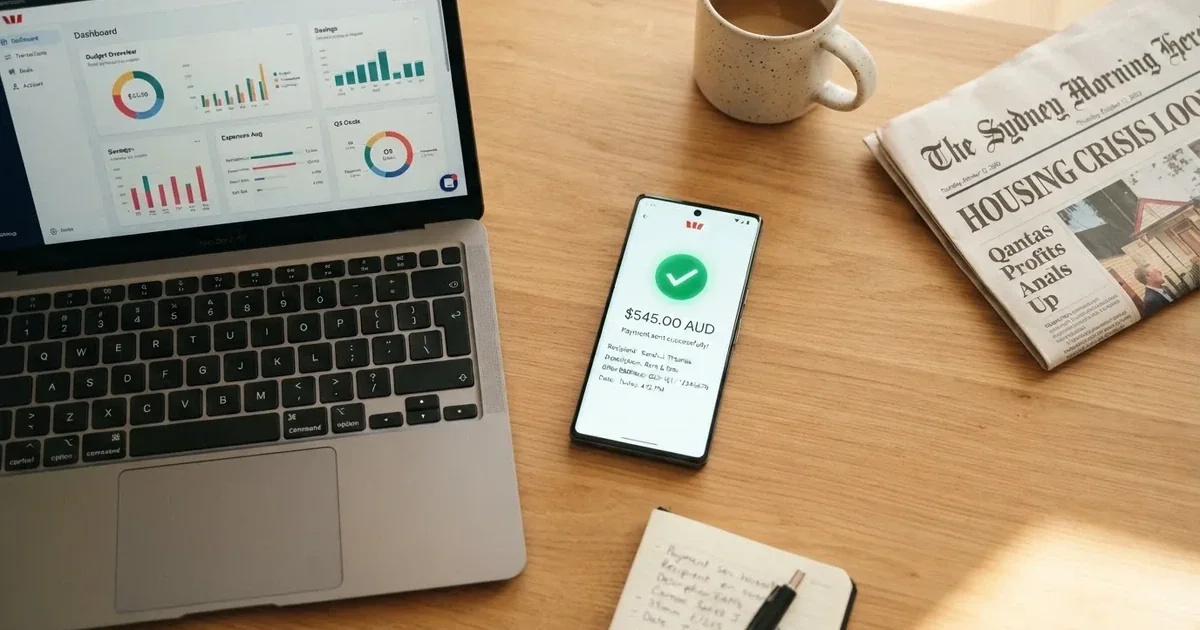
An Australian typing “under 1 hour withdrawal casino” into a search bar is being marketed to, not served. The promise is a familiar one: deposit, play, request a cashout, see the money before the kettle boils. In practice every leg of that promise sits outside anything an Australian licence touches, and the offshore operators making it have been the subject of repeated formal action by the ACMA, the regulator that enforces the Interactive Gambling Act 2001. This page walks through what “under 1 hour” actually has to mean for the claim to clear the bar, why the claim is one an offshore site cannot be held to under Australian consumer law, and what each named brand on the ACMA’s published register of formal warnings looks like once that register is laid open.
The angle here is the cost to the reader. The pitch is sold in seconds; the framework is sold in years; the gap between them is where a player’s money lives or doesn’t.
Table of Contents
- The legal position Australians actually face
- Responsible play in a market where the advertised product is prohibited
- How “under 1 hour” actually has to work in practice
- Comparing the brands the ACMA has acted against
- How each named brand fits the same picture
- What the picture looks like when the shelves are put together
- Frequently asked questions
The legal position Australians actually face
No state or territory in Australia issues a licence for an online casino to provide online casino games, online pokies or in-play betting to a person physically present in Australia. The Interactive Gambling Act 2001, tightened by the Interactive Gambling Amendment Act 2017, makes the provision of those services to Australians an offence. The regulator is the ACMA. What is licensable in Australia is wagering on races and sport placed before the event, lotteries and keno — services licensed in practice through the Northern Territory Racing and Wagering Commission, a body that runs without full-time staff and meets monthly in Darwin.

The distinction matters because it carves the entire pitch in two. A site can lawfully accept a bet from an Australian on tomorrow’s Melbourne Cup, but the same site cannot lawfully host a roulette wheel for the same punter. The “casino” in “under 1 hour withdrawal casino” sits firmly on the prohibited side of that line. Whatever licence badge the offshore site displays — Curaçao, Anjouan, the occasional Kahnawake reference — it is not an Australian licence, because no Australian licence exists for the product being sold. The minimum age for any Australian-licensed wagering is 18; offshore sites set their own.
How the ACMA enforces the prohibition
The ACMA investigates complaints, issues formal warnings to operators it can identify, and directs Australian internet service providers to block sites that continue to offer prohibited services. The agency reports a running total. As of June 2026, 1,751 illegal gambling and affiliate marketing websites had been blocked since the first blocking request in November 2019, and more than 230 unlicensed gambling services had left the Australian market since enforcement was strengthened in 2017. In the most recent round reported on 26 June 2026, twelve more sites were added to the blocking list: 7Signs, ChromaBet, Donbet, Duospin, Freshbet, Slots Gem, Jacks Club, Lucky Start, Pointsbetz, Spinrise, Vinyl Casino and Wildsino.
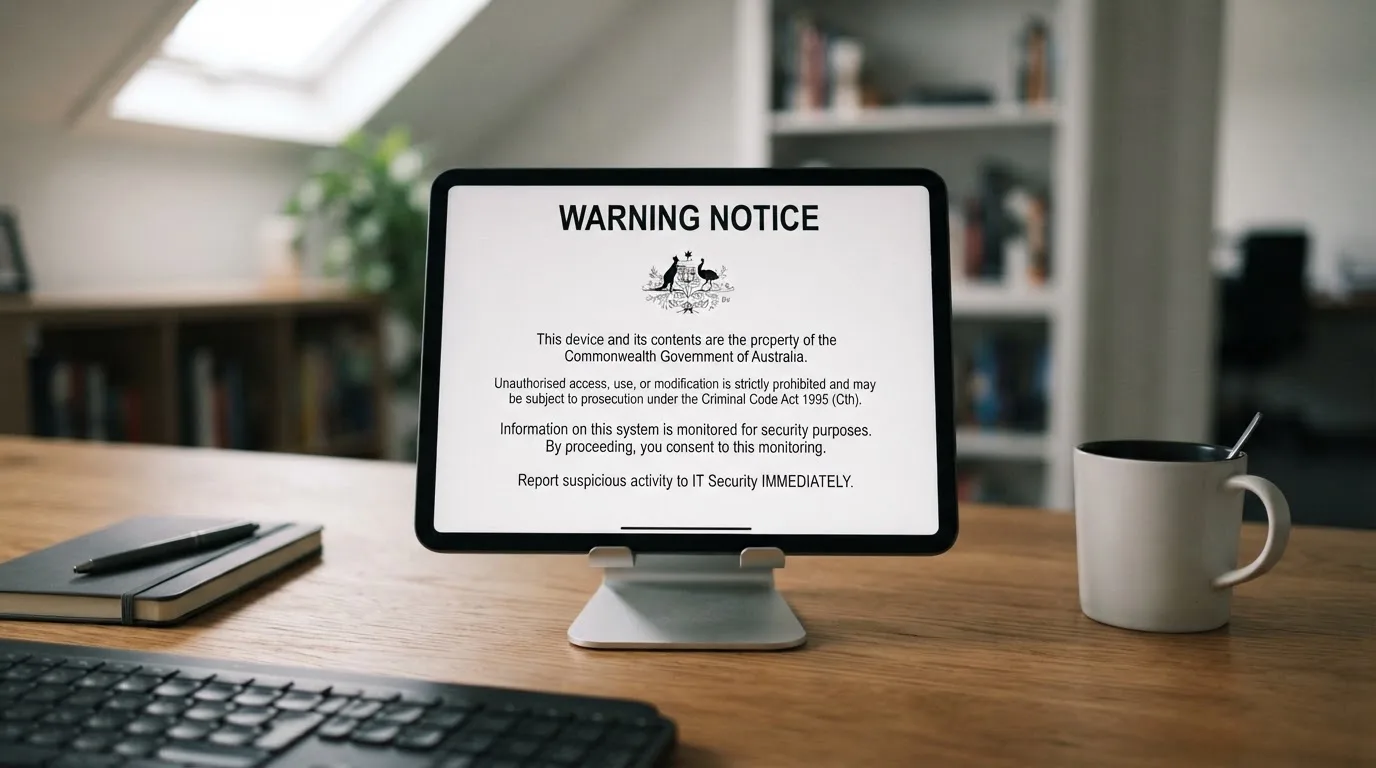
The individual Australian player is not prosecuted. The Interactive Gambling Act targets the provider, not the customer. What that means in plain terms is that the law protects an Australian from being charged with an offence for playing, but it does not protect their money once it is sitting with an offshore operator. No Australian consumer protection regime covers that balance. No complaints body sits between the punter and the site. If a withdrawal is refused, delayed beyond the advertised window, or simply never processed, the recourse is the offshore operator’s own dispute process — or none. The site itself can be blocked while the balance is still on it.
The 2017 amendments and what followed
The 2017 amendments to the Interactive Gambling Act broadened the prohibited service definition and gave the ACMA its modern enforcement toolkit: formal warnings, civil penalty proceedings, and the power to ask ISPs to block sites at the DNS level. H2 Gambling Capital’s 2025 estimate puts Australian losses to illegal gambling sites at about A$3.9 billion a year, and reports that the share of gambling flowing through legal Australian channels fell from 74% in 2021 to 64%. The legal channel is shrinking while the illegal one grows. Enforcement has not reversed that trend; it has thinned the herd.
What the 2026 reform bill changes, and when
The Interactive Gambling Amendment (Gambling Reform) Bill 2026 passed Parliament on 19 August 2026. Its advertising and inducement measures commence on 1 January 2027. That phrasing matters on a page dated before commencement: the bill is law, but the new advertising rules are not yet in force. The ban on credit cards, credit-related products and digital currency as payment for licensed online wagering took effect on 11 June 2024, with penalties up to A$247,500 for operators who breach it. Legal deposit routes for licensed Australian wagering are debit card, bank transfer, PayID or Osko, and BPAY. A site asking an Australian for a credit card or a crypto deposit is operating outside the Australian rules regardless of what its licence page claims.
Responsible play in a market where the advertised product is prohibited
The argument for treating the offshore pitch as harmless — players can choose, adults know what they are doing, the sites are licensed somewhere — has a counterweight that is harder to dismiss. Offshore casinos are not connected to BetStop, the National Self-Exclusion Register, which has been live since August 2023 and binds only Australian-licensed online and phone wagering services. A player who has registered with BetStop to keep themselves away from wagering is not kept away from an offshore casino by that registration. The block sits on the licensed side of the line; the offshore side sits outside it.
The same gap runs through the deposit-limit tools Australian banks have built. Westpac’s gambling block works at the card level: it refuses authorisation of transactions registered under the merchant category code “Betting/Casino Gambling” on eligible personal credit and debit cards. ANZ’s gambling transaction block, activated inside the ANZ app, also blocks gambling transactions made through a digital wallet such as Apple Pay on an eligible card, not just the physical card. Commonwealth Bank lets customers apply a gambling lock to eligible cards through the CommBank app, and the bank states plainly that it cannot guarantee all gambling-related purchases will be stopped. Once ANZ’s gambling block is turned on, removing it requires a 48-hour cooling-off period.
These tools blunt the licensed side of the market. They do not reach an offshore casino that takes crypto, processes a payment through a third party the bank’s merchant category code does not catch, or routes around the block through a digital wallet the issuer has not blacklisted. The protection is real, and it is partial.
Where help is available
The National Gambling Helpline is 1800 858 858, free, 24 hours a day, with online chat through Gambling Help Online. BetStop is the National Self-Exclusion Register. Both are Australian services and both work through Australian-licensed operators; the offshore side of the market is not wired into either. The point of naming them on a page about a prohibited product is not to lecture the reader but to be precise about what protection exists and for whom.
The house always has an edge. Whatever the spin speed, whatever the bonus, the arithmetic is the arithmetic. A player who has decided the offshore pitch is one they want to walk away from has Australian services designed to help them do that, and the same services are not available on the licensed side because the licensed side is the one being avoided.
How “under 1 hour” actually has to work in practice
For a casino withdrawal to clear in under an hour, three things have to be true at once. The site’s internal approval queue has to clear the request in minutes rather than the industry-typical 24 to 48 hours. The payment rail the punter chose has to support near-real-time settlement at the consumer end. And no third party in the chain — the card network, the bank, an intermediary wallet — has to introduce a hold that eats the hour.
The second leg is the one Australian banking infrastructure actually delivers. With Osko, a bank transfer between participating Australian banks arrives in under a minute, 24 hours a day, including weekends, whether it is addressed to a BSB and account number or to a PayID. PayID-based instant transfers are available at more than 100 Australian financial institutions. Participants in Australia’s New Payments Platform must keep the platform’s monthly outages to no more than two minutes; the platform went live to the public on 13 February 2018 and is owned by New Payments Platform Australia Ltd, a non-profit whose thirteen shareholders include the Reserve Bank of Australia and the country’s major banks. By April 2025, more than 25 million PayID identifiers had been registered on the platform.
Paying to a PayID shows the name of the account holder before the transfer is sent. Australian Payments Plus, the operator of PayID and Osko, warns that being asked to transfer money to a PayID on an illegal gambling site almost certainly means a scam site. The same rail that makes a real-time withdrawal possible is also the rail that lets an Australian punter see whose account they are about to fund.
BPAY, the bill-payment service in Australian online banking, has been operating since 1997, is available through more than 140 banks and financial institutions, and is offered by more than 95,000 businesses. It is run by Australian Payments Plus alongside PayID and Osko. BPAY is not the rail for a casino withdrawal — it is the rail for paying a bill — but it is part of the same payments architecture, and it is the architecture an offshore casino claiming to settle Australian withdrawals in under an hour is claiming to plug into.
The card side, where the hour usually dies
Cards do not move at the speed of the New Payments Platform. Apple Pay, Google Pay and Samsung Pay transactions collectively accounted for around 45% of all card payments in Australia by number at the end of 2025, but the underlying card authorisation is still a card authorisation: a merchant category code, an issuer decision, a settlement window measured in days. American Express, established in 1850 as a freight-forwarding company and later a card issuer that launched its first charge card on 1 October 1958, traditionally issues cards and processes transactions itself as a three-party scheme, distinct from Visa and Mastercard’s four-party network. The Reserve Bank of Australia’s July 2025 review proposes removing surcharges only on eftpos, Mastercard and Visa card transactions, explicitly leaving American Express outside the scope of the proposed surcharge ban.
Apple does not charge fees to consumers for using Apple Pay in stores, online or in apps; any surcharge comes from the merchant’s own card-processing fees. Apple also states that transaction limits and PIN requirements for Apple Pay purchases are set by the card issuer or merchant, not by Apple itself. The card itself is the rate-limiting step: a card refund settles when the card network settles, not when the casino approves the withdrawal.
The implication is that an offshore site claiming sub-one-hour withdrawals on card rails is making a claim about a rail that does not actually settle in an hour, even at the Australian end. The hour is plausible only where the rail is instant — Osko, a PayID transfer, a payout-side crypto transaction that the punter can convert in their own time. Card “under 1 hour” claims are almost always claims about the casino’s own approval queue, not about the bank-to-bank leg.
The crypto leg and the bank-side controls
Crypto withdrawals clear in minutes, on-chain, regardless of which jurisdiction the punter sits in. That is the only rail on which an “under 1 hour” claim is mechanically accurate at the moment the punter hits withdraw. It is also the rail that Australian-licensed operators are forbidden to accept. Under the Interactive Gambling Act 2001 as amended in 2023, Australian-licensed online wagering services cannot accept payment by credit card or other credit-related products, a restriction that also constrains gambling use of linked digital wallets such as Apple Pay. An offshore site asking an Australian for a crypto deposit is therefore not just operating outside the Australian rules on the casino side — it is also operating outside the rules on the payment side.
AUSTRAC’s threshold-transaction-report rule, which requires reporting of transfers of A$10,000 or more, applies only to physical cash. Ordinary electronic bank transfers are not subject to that per-transaction reporting requirement, regardless of the amount sent. The reporting trigger is not the figure on the transfer; it is the form of the asset. The practical effect is that an Australian punter moving money through normal banking rails does not trip a reporting line by virtue of the amount alone, but a casino’s own payout thresholds and identity-verification rules can introduce their own delays that have nothing to do with the rail.
What the “under 1 hour” promise reduces to
Read against the rails, the promise has three honest versions and several dishonest ones. It is honest when it names Osko or PayID as the receiving rail on the Australian end and approves the withdrawal on its own side within minutes. It is honest when the payout is in crypto and the punter is converting to Australian dollars themselves. It is dishonest when the rail is a card refund that the casino does not control, when the promise covers a “pending” status rather than a settled bank balance, or when the approval window has nothing to do with the hours-long bank clearing that follows. The honest versions still do not change the licence status of the operator: an Osko withdrawal to an Australian bank is real-time, and the casino sending it is still a casino the ACMA has acted against.
Comparing the brands the ACMA has acted against
The table below lays out the brands whose operators have been the subject of formal warnings from the ACMA for offering prohibited interactive gambling services to Australians. The list is not a ranking and not a recommendation; it is the ACMA’s own published register, ordered as the agency itself first named each brand in a formal warning. The “under 1 hour withdrawal” claim is a marketing line on every one of these sites; the legal status of every one of them is identical, and the legal status is what the table is about.
| Brand | ACMA action and date | Operator named by the ACMA | Subject support |
|---|---|---|---|
| RocketPlay | Formal warning, March 2026; earlier Dama N.V. action May 2022 | Pulsup Ltd | listings only |
| Level Up Casino | Formal warning, May 2022 | Dama N.V. | listings only |
| Woo Casino | Formal warning, March 2025 | Dama N.V. | no data |
| Spirit Casino | Formal warning, May 2025 | Dama N.V. | no data |
| National Casino | Formal warning, July 2025 | Consolutetish S.R.L. | listings only |
| Bizzo Casino | Formal warning, July 2025; earlier TechSolutions action 2022 | Consolutetish S.R.L. | listings only |
| Ignition Casino | Formal warning, July 2025 | Bamboo Media | no data |
| Instant Casino | Formal warning, February 2025 | EOD Code SRL | listings only |
| Jackbit | Formal warning, April 2026 | Ryker B.V. | no data |
| Casino Intense | Formal warning, April 2025 | Sterplay Holding Ltd | listings only |
| Sky Crown | Formal warning, September 2022 | Hollycorn N.V. | no data |
The spread of operators is wider than the spread of brands. Dama N.V. appears behind four of the eleven names on the list, at dates ranging from May 2022 to May 2025. Consolutetish S.R.L. appears behind two, both in July 2025. Bizzo Casino is the only brand to have attracted two separate warnings at two different operators, the first under TechSolutions in 2022 and the second under Consolutetish S.R.L. in July 2025 — a record that reads less like coincidence than like a brand migrating from one corporate wrapper to the next after each enforcement event.
The dates also matter because they show the cadence. Six of the eleven warnings were issued in 2025 or 2026, which is what a tightened enforcement regime looks like in the data: the agency moved from a roughly annual warning pace through 2022 to a pace where several brands were named in a single year. The April 2026 warning to Ryker B.V. over Jackbit and CasinOK is the most recent on the register, and it is the warning that most directly intersects with the “under 1 hour” pitch: Jackbit markets itself around crypto and instant payouts, and the marketing line does not change the legal status of the product.
The “subject support” column captures something narrower. It records whether the listed directories and Australian consumer-protection registers carry any record of the brand — not as a recommendation, but as a footprint. Brands marked “listings only” appear in third-party gambling directories or in registers such as BetStop or AUSTRAC’s published material; brands marked “no data” do not appear in those listings at all, which is itself information. The list of brands and the listing footprint are two different things, and conflating them is how the marketing material gets read as endorsement.
How the cadence of blocking requests has run
The first ACMA blocking request went out in November 2019. By June 2026 the agency reported 1,751 illegal gambling and affiliate marketing websites blocked since that first request. This long-term trend highlights the scale of the regulator’s ongoing task.
A running total of 1,751 blocked sites spread across roughly 79 months between November 2019 and June 2026 — from the first blocking request to the most recent reported round — gives a long-run blocking rate of about 22 blocked sites per month on average. The same figure stated as a band: between roughly 18 and 26 sites per month over the life of the regime, on the assumption that the early years ran at the lower end of that range before enforcement tightened and the post-2023 rounds ran at the higher end. The cadence is not constant; it is shaped by which rounds the ACMA has chosen to escalate and by how many sites each operator runs behind a single corporate wrapper. The figure is a band, not a single number, because the data carries no monthly breakdown and the average is being computed across a regime whose intensity has changed. What the band shows is that the blocking regime is operating continuously, not in single dramatic sweeps, and that an offshore site that believes it has time before being noticed is reading the register wrong.
The arithmetic is merely a measure of activity, not the verdict itself. The regulator’s verdict is clear: the Interactive Gambling Act targets the provider, the ACMA enforces, and the Australian player is left holding a balance at an offshore site that may or may not still be reachable when they go to withdraw.
How each named brand fits the same picture
The eleven brands in the table above are presented below in the order the ACMA first named each one in a formal warning. The block under each name is not a review and not a recommendation: it is the agency’s own published action, summarised alongside the brand’s own product positioning, and the gap between the two is where the reader’s decision actually lives.
RocketPlay
The ACMA issued a formal warning to Pulsup Ltd over RocketPlay in March 2026; the same brand was the subject of an earlier Dama N.V. action in May 2022. The pattern is the same one Dama N.V. ran across other brands on the register: a brand the regulator has named twice, at two different corporate operators. The “under 1 hour” marketing line that accompanies the brand sits on top of an interactive gambling service that cannot be licensed anywhere in Australia. Subject support is listings-only across third-party gambling directories, though the only truly authoritative record is the ACMA’s own published formal warning.
Level Up Casino
Dama N.V. was the named operator in the May 2022 formal warning covering Level Up Casino alongside five other brands in the same action. The brand has not been re-warned since, which is not the same as the brand having stopped offering prohibited services to Australians; the ACMA’s register is the register of warnings it has issued, not the register of all prohibited activity. The brand’s footprint appears in payment-processor directories, but it remains without the protections of any Australian consumer framework.
Woo Casino
The ACMA’s March 2025 formal warning to Dama N.V. covered Woo Casino. This is a separate Dama N.V. action from the May 2022 one — different date, different corporate communication — and the brand sits on the same operator as Level Up Casino, Spirit Casino, Wild Tornado and Cobra Casino from the earlier action. The subject support column is empty, which is information in its own right: third-party directories and Australian registers do not carry the brand, and the ACMA’s own register is the most authoritative footprint the brand has. The marketing around Woo Casino is the same generic “instant withdrawal” pitch as the rest of the offshore sector, and the licence badge on the site is not an Australian one.
Spirit Casino
Dama N.V., May 2025. The most recent Dama N.V. action on the register, and the one that confirms Dama N.V. is the operator that has attracted the largest share of formal warnings in this dataset. Subject support is empty. The brand carries no listing in the Australian registers or in the directories the research checked, and the ACMA warning is the public record of the brand’s status. The “under 1 hour” line travels with the brand; the legal status does not move.
National Casino
Consolutetish S.R.L., July 2025. The brand is one of two on the register behind the same operator; the other is Bizzo Casino, also warned in July 2025. Subject support runs through AUSTRAC’s published material and BetStop, which is significant: BetStop is the National Self-Exclusion Register, and its presence in the listing indicates that the brand has a footprint in the data the self-exclusion register collects, even though an offshore casino is not bound by BetStop in the way an Australian-licensed operator is. The brand’s listing footprint sits across AUSTRAC’s anti-money-laundering and counter-terrorism financing material and the self-exclusion register, both of which are Australian government registers, and neither of which constitutes an Australian licence for the brand.
Bizzo Casino
Consolutetish S.R.L., July 2025, with an earlier formal warning to TechSolutions (CY) Group Limited and TechSolutions Group N.V. in 2022. Bizzo is the only brand on the register to have attracted formal warnings at two different operators, which is a pattern: a brand moves from one corporate wrapper to the next after each enforcement event, and the marketing around the brand — the “under 1 hour” pitch, the licence badge — travels with it. The brand appears in third-party gambling directories, a predictable outcome for an operator that continues its affiliate marketing despite the shift in corporate oversight.
Ignition Casino
Bamboo Media, July 2025. The brand sits alone in the register under that operator; no other Bamboo Media brand appears in the dataset the research covers. Subject support is empty. The ACMA warning is the public record, and the Australian footprint the research could verify is limited to that warning. The brand’s “under 1 hour” marketing line is part of the same offshore sector pitch, and the absence of a listing footprint is information about how thinly the brand is distributed in the Australian data layer, not about how seriously Australian regulators take it.
Instant Casino
EOD Code SRL, February 2025. The brand’s subject support is listings-only on payment-processor pages and on the PayID operator’s published material. The PayID connection is significant because it suggests the brand is at least receiving payments through a rail that lets the punter see whose PayID they are paying, which is the same rail Australian Payments Plus warns about for illegal gambling sites. The marketing pitch around Instant Casino is built around the same “instant withdrawal” claim that runs through the rest of the offshore sector, and the ACMA warning is the published record of why the brand is on the list.
Jackbit
Ryker B.V., April 2026 — the most recent formal warning on the register, issued over Jackbit and CasinOK. Jackbit is the brand that sits closest to the “under 1 hour” pitch on the marketing side: it is positioned around crypto payouts, and crypto is the rail on which the sub-one-hour claim is mechanically accurate. The legal status of the brand does not change because the rail is fast. Subject support is empty in the dataset the research covers, which is consistent with a brand whose footprint runs through crypto on-ramps rather than through the Australian listings directories.
Casino Intense
Sterplay Holding Ltd, April 2025. Subject support is listings-only on AUSTRAC’s published material, on BetStop’s register, and on a third-party gambling directory. The BetStop listing is the same signal as on National Casino: a brand that has a footprint on the data the Australian self-exclusion register collects, without being bound by it. The ACMA warning is the public record of why the brand cannot lawfully offer its services to Australians, and the “under 1 hour” pitch is the marketing that travels with the brand regardless.
Sky Crown
Hollycorn N.V., September 2022. The earliest formal warning on the register after the May 2022 Dama N.V. action. Subject support is empty. The brand has been on the ACMA’s register for the longest stretch of any brand in the table, and the marketing line has not changed. The “under 1 hour” pitch travels with the brand; the legal status is what the ACMA’s formal warning records.
What the picture looks like when the shelves are put together
Three things stand out once the legal shelf, the responsible-gaming shelf, the payments shelf, and the brand-by-brand shelf are read together.
The first is that the marketing pitch and the legal framework move at different speeds. An offshore site can change its “under 1 hour” landing page in an afternoon; the Interactive Gambling Act 2001 has been in force since 2001, was tightened in 2017, and was amended again in 2023 and 2026. The marketing line is the most fluid thing on the page; the legal line is the least.
The second is that the protections an Australian bank offers — the gambling blocks at Westpac, ANZ and Commonwealth Bank, the 48-hour cooling-off period on ANZ’s block, the merchant category code that catches card transactions registered as “Betting/Casino Gambling” — all stop at the licensed side of the market. They are real, and they do not reach an offshore casino that takes crypto or routes through a wallet the issuer has not blacklisted. The Australian bank’s block is partial; it is not a firewall.
The third is that the ACMA’s enforcement has a cadence, not a deadline. The first blocking request went out in November 2019; by June 2026 the running total was 1,751 blocked sites. The long-run rate of roughly 18 to 26 blocked sites per month shows a consistent pattern of enforcement, and the regulator’s verdict remains clear: an offshore site that believes it has time before being noticed is reading the register wrong.
The angle here has been the cost to the reader, and the cost runs in three currencies that do not convert into each other. There is the legal cost: no Australian licence, no Australian consumer protection, no recourse if a withdrawal stalls. There is the practical cost: an hour measured in the casino’s approval queue, not in the bank clearing time, on a rail the casino does not control. And there is the protection cost: the bank-side gambling blocks, BetStop, the National Gambling Helpline — all of them real, all of them bound to the licensed side of the line the offshore site sits outside.
Frequently asked questions
What would actually have to happen behind the scenes for a casino withdrawal to clear in under an hour?
Three things, at the same time. The casino’s own approval queue has to clear the withdrawal in minutes rather than the typical 24 to 48 hours. The payout rail has to support real-time settlement on the Australian end — which is what Osko and PayID do through the New Payments Platform. And no third party in the chain — card network, issuing bank, intermediary wallet — has to introduce a hold that eats the hour. Card refunds cannot meet the third condition, which is why the “under 1 hour” claim is mechanically honest only on instant-payment or crypto rails.
Does an ‘under 1 hour’ withdrawal claim apply to every payment method a casino offers, or only some?
Only to the methods the rail supports. Osko and PayID transfers between participating Australian banks settle in under a minute, 24/7 including weekends. Crypto withdrawals settle on-chain in minutes. Card refunds, including via Apple Pay, Google Pay or Samsung Pay, settle on the card network’s timeline, not the casino’s — and that timeline is measured in days, not hours. A claim that covers every method is almost always a claim about the casino’s approval queue rather than the bank-to-bank leg.
Is a sub-one-hour withdrawal promise from an offshore casino something Australians can hold the site to?
No Australian consumer protection regime covers an offshore casino. The Interactive Gambling Act 2001 targets the provider, not the customer, so an Australian player is not prosecuted for playing — but the balance is also not protected by any Australian complaints body. If a withdrawal stalls, the recourse is the offshore operator’s own dispute process, or none. The site itself can be blocked at the ISP level while a balance is still on it.
How does an under-1-hour claim compare with the real settlement time Australian banks describe for Osko transfers?
Osko transfers between participating Australian banks arrive in under a minute, around the clock. The casino’s “under 1 hour” claim is therefore a slower promise than the rail it would have to use to deliver on it. The hour is the casino’s own internal approval window plus whatever the rail adds on top — and on Osko or PayID, the rail adds almost nothing. The hour is the casino, not the bank.
What’s the difference between an ‘under 1 hour withdrawal’ casino and a ‘same day payout’ casino as claims?
The “under 1 hour” claim is a specific promise about a specific timeframe and a specific rail; it is falsifiable, and the falsification is visible in the punter’s bank balance. The “same day payout” claim is a wider envelope that absorbs approval queues, batched payouts, and weekend processing gaps; it is harder to falsify because the day is long enough for any of those to fit inside it. Both claims travel with the same offshore legal status; they are different ways of marketing the same product.
What might still delay a withdrawal even at a site advertising under-1-hour processing?
Three things, none of which the marketing line covers. Identity verification on first withdrawal — a site can require fresh KYC documentation before the first cashout clears, regardless of how fast subsequent payouts run. Bonus terms that gate withdrawals until a turnover requirement is met, which is independent of the rail. And the bank-side controls: ANZ, Westpac and Commonwealth Bank gambling blocks can refuse authorisation on transactions registered under the gambling merchant category code, which means the rail settles in under a minute on the bank’s side while the transaction never starts on the casino’s side.