
Top Rated Online Casinos in Australia: What the Stars Are Really Counting
A “top rated online casino” in Australia is, more often than not, an offshore website that no Australian regulator has ever licensed to take a bet. The stars, the payout-speed boasts and the welcome packages all sit on a product the Interactive Gambling Act 2001 makes unlawful to supply here. This page works through what those rankings actually measure, why the ACMA keeps adding names to its blocking list, and where an Australian who wants to play can do so legally.
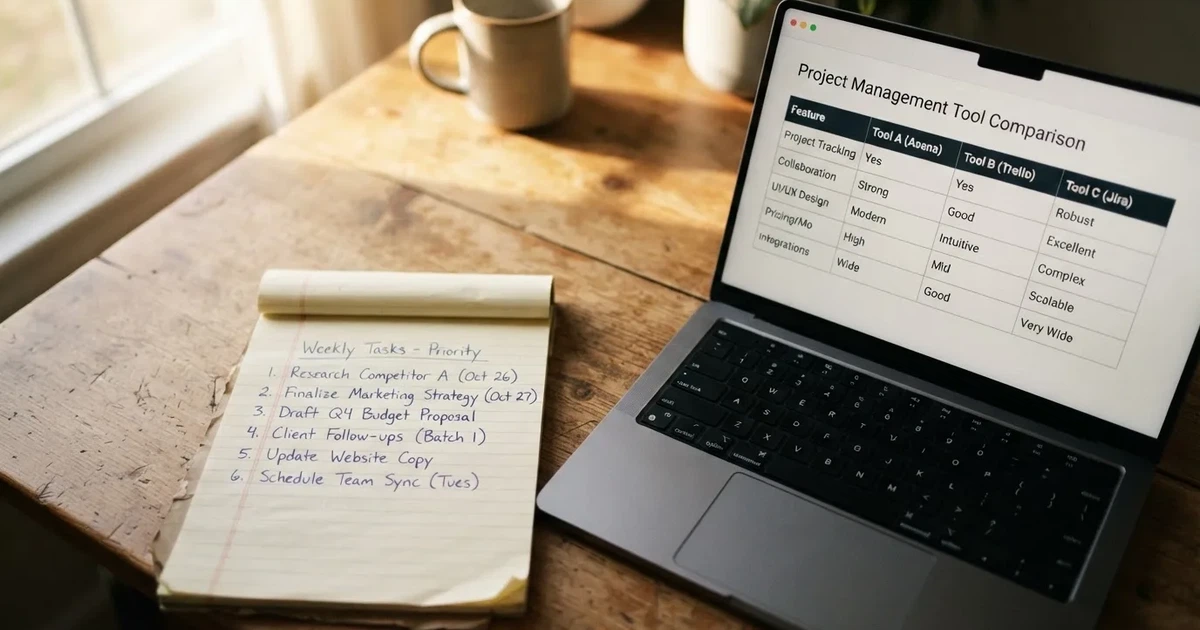
29 October 2026 — figures cross-checked against the Australian Communications and Media Authority’s published formal warnings and against Australian Payments Plus.
Table of Contents
- Legality and Regulation: Why the Offshore Marketing Cannot Keep Its Promise
- Responsible Play: Tools That Bind Only the Lawful Side of the Market
- Land-Based Venues: The Genuinely Licensed “Top Rated” in Australia
- Payments and Payout Speed: What “Instant” Actually Means on Australian Rails
- Bonuses and Sign-Up Offers: What the Welcome Page Is Really Selling
- Mobile and Apps: How the Offshore Site Behaves on a Phone Touchscreen
- Specific Games and Providers: Pokies, Roulette and What the Paytables Actually Show
- Brands the ACMA Has Formally Warned
- Overview: What the Whole Picture Adds Up To
- Blocking Rate: How Fast the ACMA’s List Is Growing
- Frequently Asked Questions
Legality and Regulation: Why the Offshore Marketing Cannot Keep Its Promise
No state or territory in Australia issues a licence to an online casino. The Interactive Gambling Act 2001, tightened by amendments in 2017, makes it an offence to provide online casino games, online pokies or in-play betting to a person physically in Australia. What is licensable is wagering on races and sport placed before the event, lotteries and keno, and in practice almost every Australian-licensed online bookmaker — Sportsbet, Bet365, Ladbrokes among them — operates from the Northern Territory, where the Northern Territory Racing and Wagering Commission signs off on them. The commission runs with no full-time staff and meets once a month in Darwin, a thinness that has prompted its own reform bill in 2026.

The provider is the target of the law, not the player. An individual who signs up with an offshore casino is not personally prosecuted, but the account sits outside every safeguard Australian law writes for gamblers. There is no Australian complaints body to take a dispute to when a withdrawal stalls, no Australian licence register to verify a site’s claims against, and no guarantee the balance stays reachable if the ACMA directs local ISPs to block the domain. The block can land while funds are still sitting in the account.
Enforcement in 2026 runs through the ACMA. The regulator investigates, issues formal warnings, and asks Australian internet service providers to block access to named sites. The cumulative tally published in mid-2026 was 1,751 illegal gambling and affiliate websites blocked since the first blocking request in November 2019, and more than 230 unlicensed gambling services had left the Australian market since the regime was tightened in 2017. A fresh round reported on 26 June 2026 added another twelve names — 7Signs, ChromaBet, Donbet, Duospin, Freshbet, Slots Gem, Jacks Club, Lucky Start, Pointsbetz.com, Spinrise, Vinyl Casino and Wildsino — to the list. Loss to illegal offshore sites is estimated by H2 Gambling Capital at roughly A$3.9 billion a year for Australians, with the share of gambling going through legal channels slipping from 74 per cent in 2021 to 64 per cent.
The 2026 reform picture is worth keeping in view. The Interactive Gambling Amendment (Gambling Reform) Bill 2026 passed Parliament on 19 August 2026, and its advertising and inducement measures commence on 1 January 2027. That makes it law with a start date, not yet a rule a 2026 reader is bound by, but the direction of travel is plainly toward tighter restrictions on the inducements offshore sites use to attract sign-ups.
The legal payment frame is equally firm. Since 11 June 2024, Australian-licensed online wagering services cannot accept payment by credit card or any credit-related product, with penalties of up to A$247,500 for the operator. Digital currency is also out as a funding route for licensed wagering. The legal deposit channels for a licensed bookmaker are debit card, bank transfer, PayID or Osko, and BPAY. A site asking an Australian for a credit card or a crypto deposit is, by definition, operating outside the Australian rules.
Responsible Play: Tools That Bind Only the Lawful Side of the Market
Player protection in Australia is built around licensed operators, and that is where the binding tools sit. BetStop, the National Self-Exclusion Register, has been live since August 2023 and binds every Australian-licensed online and phone wagering service. Offshore casino sites are not connected to it. Registering with BetStop closes off the lawful side; it does not close off the offshore side, because no offshore site is wired into the register. A punter who wants to step back from wagering on licensed platforms will find BetStop effective; a punter who wants to step back from wagering full stop will still need to combine BetStop with their bank’s card-level gambling block, and acknowledge that some offshore sites will slip past both.
The bank-side controls matter here. Westpac’s gambling block refuses authorisation of transactions registered under the merchant category code “Betting/Casino Gambling” on eligible personal credit and debit cards. ANZ runs a similar block in its app, and once turned on, removing it requires a 48-hour waiting period. ANZ is upfront that the block will not catch every gambling transaction and may occasionally stop something that is not gambling. Commonwealth Bank lets customers apply a gambling lock to eligible cards through the CommBank app, with the same caveat that the lock cannot guarantee every gambling-related purchase will be stopped. These three blocks are the practical perimeter, and they are stronger together than any one alone.
Help is free, round the clock. The National Gambling Helpline — 1800 858 858 — runs 24/7. Gambling Help Online carries the chat service. The counselling is independent of any operator, licensed or not, and the lines are not the place to ask which casino site is rated highest.
A small word on the tax side, because it is the question that surprises people after a big win. Gambling winnings for a recreational player are not assessable income under section 6-5 of the ITAA 1997, and losses are not deductible. The exception is a person who carries on a business of gambling, which is a different matter entirely and worth a conversation with the ATO.
Land-Based Venues: The Genuinely Licensed “Top Rated” in Australia
When an Australian asks for a genuinely top-rated casino, the licensed answer is a building they can walk into. Every state and territory licenses pubs, clubs and casino premises under its own gambling legislation, with monitoring, harm-minimisation officers on the floor, and a complaints body that has actual jurisdiction. The Crown complex in Melbourne, The Star in Sydney, Crown Perth, Jupiters on the Gold Coast, SkyCity Adelaide, SkyCity Darwin, Country Club Tasmania and the casino at Wrest Point in Hobart together account for the bulk of the licensed casino floors in the country. Each carries hundreds of pokie machines alongside table games, and each sits inside a regime that requires return-to-player disclosures, responsible-service of gambling training for staff, and a self-exclusion mechanism that holds on the premises.
Pokies are the bulk of what Australians actually gamble on inside a club or pub, and the regulatory framing there is state-by-state. New South Wales clubs and hotels operate under the NSW Gaming Machines regime, with a cap on machine numbers per venue and a monitoring regime run by Liquor & Gaming NSW. Victoria’s regime sits with the Victorian Commission for Gambling and Liquor Regulation. Queensland’s Office of Liquor and Gaming Regulation runs the pokie framework north of the Tweed. South Australia, Western Australia, Tasmania, the ACT and the Northern Territory each carry their own. The pattern is the same: machines are licensed to a venue, not to a player, and venue-level harm-minimisation obligations sit alongside the machine.
The licensed venue is also the only place where “top rated” can be checked against a register. State and territory gaming regulators publish lists of licensed venues, the number of machines at each, and any disciplinary action against the operator. An offshore casino cannot be checked against any equivalent list, because no such list exists for offshore operators in the Australian frame.
A practical note for someone searching “top rated pokies near me” or “best rated casino near me”: the regulatory register for the relevant state is the right place to start, and the venue’s own page will list which machines it carries and what the published return-to-player percentages are. Those percentages are not always printed on a machine’s face, but they are required disclosures in most jurisdictions and the venue can be asked for them.
Payments and Payout Speed: What “Instant” Actually Means on Australian Rails
The settlement times a “top rated” offshore casino advertises sit on payment rails the casino does not own. PayID and Osko are Australian rails, run by Australian Payments Plus (AP+), and the speed claim travels with them, not with the casino.
PayID lets a customer send money to a mobile number, email address or ABN rather than to a long BSB-and-account-number string. Over 100 Australian financial institutions offer PayID-based instant transfers, and more than 25 million PayIDs were registered on the New Payments Platform by April 2025. Osko is the message-switching layer that sits over the NPP, and an Osko transfer between participating banks arrives in under a minute, 24/7, including weekends, whether it is addressed to a BSB and account number or to a PayID. The platform’s own outage budget, set by AP+, is no more than two minutes of monthly downtime. The platform itself went live to the public on 13 February 2018 and is owned by New Payments Platform Australia Ltd, whose 13 shareholders include the Reserve Bank of Australia and the major banks.
One safety feature is worth knowing. Paying to a PayID shows the registered name of the account holder before the transfer is sent. AP+ warns, plainly, that being asked to transfer money to a PayID on an illegal gambling site almost certainly means a scam site. The warning matters because PayID’s convenience is exactly what makes it useful as a fraud lure.
BPAY sits beside PayID on the same AP+ stack. It has been live since 18 November 1997 and is available in the online banking of over 140 banks and financial institutions, with more than 95,000 businesses offering it as a bill-payment method. The payer enters the Biller Code and the Customer Reference Number printed on the bill. The four major banks — ANZ, Commonwealth Bank, National Australia Bank and Westpac — own it equally through Cardlink Services Limited. The 2021 ACCC authorisation folded BPAY, eftpos and NPP Australia into the single holding entity Australian Payments Plus. BPAY is not a real-time transfer rail; it is a bill-payment rail, and most BPAY payments clear overnight.
The card-side picture has its own complications. American Express was established in 1850 as a freight-forwarding company and later pivoted to cards, launching its first charge card on 1 October 1958. Unlike Visa or Mastercard’s four-party network, Amex traditionally issues cards and processes transactions itself as a three-party scheme. The Reserve Bank of Australia’s July 2025 review proposes removing surcharges only on eftpos, Mastercard and Visa card transactions, and explicitly leaves American Express outside the proposed ban. That means Amex surcharges, where a merchant charges them, stay legal. By the end of 2025, Apple Pay, Google Pay and Samsung Pay collectively accounted for around 45 per cent of all card payments in Australia by number — a remarkable shift in five years, and one that complicates bank gambling blocks, because Apple Pay does not carry a merchant category code that a bank’s gambling filter can read at the point of authorisation.
The block mechanics matter here. ANZ’s gambling transaction block also blocks gambling transactions made through a digital wallet such as Apple Pay on an eligible card, not just the physical card. Commonwealth Bank’s lock works similarly. Apple’s own position is that it does not charge consumer fees for Apple Pay in stores, online or in apps, and any surcharge comes from the merchant’s own card-processing fees. Apple also states that transaction limits and PIN requirements for Apple Pay purchases are set by the card issuer or merchant, not by Apple. The Interactive Gambling Act’s ban on credit-funded wagering applies to linked digital wallets as well, so an Apple Pay transaction on a credit card cannot lawfully fund a wager with a licensed Australian operator.
One payments fact is regularly misread. AUSTRAC’s threshold-transaction reporting rule applies only to physical cash. The A$10,000-or-more reporting trigger does not apply to ordinary electronic bank transfers, regardless of the amount. A PayID transfer of A$50,000 between two bank accounts is not, by itself, a reportable threshold transaction. AUSTRAC’s other reporting regimes still apply where a transaction is suspicious, but the per-transaction cash threshold is the one most often misread.
Bonuses and Sign-Up Offers: What the Welcome Page Is Really Selling
A “top rated” casino shortlist is almost always a welcome-offer shortlist in disguise. The welcome package is the lever, and the headline number is the thing the comparison piece wants the reader to click on. The substance is harder to read because the bonus terms are where the cost lives.
Wagering requirements, the number of times the bonus (and sometimes the deposit) must be turned over before any winnings can be withdrawn, sit behind the headline. So do game-weighting rules, which usually count slots at 100 per cent toward wagering but table games at a fraction of that, often 10 to 20 per cent. So do maximum-bet caps while a bonus is active, expiry windows measured in days rather than months, and maximum-cashout caps on free-spin winnings. A bonus that looks generous on a headline can carry a turnover requirement that makes it functionally unconvertible at the stake sizes the casino permits during the clearing period. The phrase to keep in mind is “bonus abuse” — the trigger a casino uses to void a bonus and the winnings attached to it, applied selectively and after the fact.
A second layer sits underneath the bonus terms: the operator itself. A bonus on an offshore site that no Australian regulator has licensed to take a bet is offered by a company that has no Australian complaint mechanism, no obligation to honour its own published terms under Australian consumer law, and no presence to enforce against if the company decides to void a player’s winnings on a technicality. The bonus is a marketing inducement, not a contractual offer protected by Australian consumer law. The advertising and inducement measures in the Interactive Gambling Amendment (Gambling Reform) Bill 2026 are a direct response to this — the rules kick in on 1 January 2027.
There are no working bonus codes, promo codes or voucher codes printed on this page. The reasons are straightforward. Such codes are time-bound, geo-restricted and tied to affiliate tracking, and printing one here would amount to advertising an unlicensed product. The offers themselves are also not printed — the comparison a reader needs is what the terms cost, not which code unlocks which package.
The legal frame around inducements on the licensed side is sharper. The 2026 reform bill’s advertising and inducement measures are aimed squarely at the licensed wagering market, and they take effect on 1 January 2027. The early indications are that sign-up bonuses, “free bet” offers and the like will face new constraints. For a reader comparing offers on the licensed side in late 2026, those constraints are imminent but not yet binding.
Mobile and Apps: How the Offshore Site Behaves on a Phone Touchscreen
Mobile play is the default for most Australians, and a “top rated casino app” line is the comparison a phone-first punter actually reads. The honest picture is that no offshore casino app is licensed for use in Australia, and an app downloaded from outside the App Store or Google Play store sits outside both platforms’ Australian content rules.
The licensed alternative is the mobile experience of the licensed bookmakers. Sportsbet, Bet365, Ladbrokes and the other Northern Territory-licensed brands run mobile apps through the Australian app stores, with the protections that come from operating under Australian consumer law and an Australian licence. KYC verification runs at sign-up, because the operator is bound by Australian anti-money-laundering rules. The mobile product is functionally complete — full sports markets, in-play where the IGA allows it, racing markets, account management, deposit and withdrawal through the licensed rails.
The geo-framing is the central point. Apple and Google geo-restrict content in their Australian stores, so a Curacao-licensed offshore casino app cannot lawfully appear in the Australian App Store or Google Play storefront. The same operator’s mobile-web product is reachable through a browser, and that is how most offshore play on a phone actually happens — a bookmark to a mobile site, not an app icon. A “top rated casino app” comparison that does not name this is comparing products the reader cannot install.
A practical note on touch UX. The offshore mobile product tends to be one codebase rendered responsively, with limited adaptation to a phone’s native gestures. The licensed Australian apps tend to be native or hybrid, with biometric login, push notifications that respect Australian quiet-hour rules, and deposit flows that respect the credit-card ban by failing closed if a credit card is presented. The difference is partly polish and partly legal architecture, and the legal architecture is what determines whether the deposit will actually go through.
Specific Games and Providers: Pokies, Roulette and What the Paytables Actually Show
The “top rated” claim is mostly a slots claim, and the slots claim is mostly a pokies claim in the Australian framing. Pokies and slots are the same mechanical family — a reel-set, a paytable, a return-to-player percentage, a volatility band — and the Australian pub or club pokie is a slot machine licensed to a venue. The return-to-player (RTP) is the percentage of stake the machine is programmed to return to players over a very large number of spins, and the volatility band is the distribution shape of the wins — low volatility paying out often in small amounts, high volatility paying out rarely in larger amounts.
A useful distinction: the RTP is not a forecast for any individual session. A 96 per cent RTP machine can pay nothing for an hour or pay a jackpot in five minutes. The figure is the long-run average across millions of spins, and the casino’s house edge is whatever the RTP is not. A 96 per cent RTP is a 4 per cent house edge, sustained across the volume the venue sees.
The paytable detail commonly advertised within “top rated” rankings tends to focus on the bonus features — free spin retriggers, expanding wilds, multiplier symbols, “ways to win” counts rather than paylines — because that is the part of the slot a player notices. The numbers that determine what the slot actually costs a player, RTP and volatility, sit in the fine print or in the regulator’s disclosure. The licensed venue in Australia can be asked for the RTP of a specific machine on the floor; the offshore casino displays an RTP that has not been audited against any Australian standard.
Live dealer tables, the streamed-real-dealer product that the offshore sites lean on hardest for credibility, are not licensed in Australia either. Evolution, Pragmatic Play Live and the other live-dealer studios stream from offshore studios to offshore-licensed sites. The product is technically sophisticated — multiple camera angles, in-game statistics, native-speaking dealers — and it is also outside the Australian regulatory frame. A live dealer table at an offshore casino is being streamed from somewhere the casino is licensed, to a player in a country where the casino is not licensed to provide it.
Table games more broadly — roulette, blackjack, baccarat — carry the same offshore-only status in the Australian frame. The “top rated real money roulette” comparison is, again, a comparison of offshore sites that no Australian regulator has approved to take the bet.
Brands the ACMA Has Formally Warned
The eleven names below are not a ranking. They are brands the ACMA has itself issued a formal warning to, for offering prohibited interactive gambling services to Australians. The order is the order research carries them in. Where a subject (a payment method, a register, an authority) appears in third-party listings about a brand, it is noted as such; where research carries no data on a subject for a brand, the brand is left off that subject’s row in the table. The table that follows closes the comparison shelf in one view.
| Brand | ACMA action and date | Operator named by the ACMA | Subject support |
|---|---|---|---|
| RocketPlay | Formal warning, March 2026; earlier warning to Dama N.V., May 2022 | Pulsup Ltd (Rocketplay.com.au); previously Dama N.V. | Listings reference it (Gamblinginsider.com) |
| Level Up Casino | Formal warning, May 2022 | Dama N.V. | Listings reference it (Westpac.com.au) |
| Woo Casino | Formal warning, March 2025 | Dama N.V. | — |
| Spirit Casino | Formal warning, May 2025 | Dama N.V. | — |
| National Casino | Formal warning, July 2025 | Consolutetish S.R.L. | Listings reference it (acma.gov.au, austrac.gov.au, betstop.gov.au) |
| Bizzo Casino | Formal warning, July 2025; earlier warning to TechSolutions, 2022 | Consolutetish S.R.L.; previously TechSolutions (CY) Group Ltd and TechSolutions Group N.V. | Listings reference it (Gamblinginsider.com) |
| Ignition Casino | Formal warning, July 2025 | Bamboo Media | — |
| Instant Casino | Formal warning, February 2025 | EOD Code SRL | Listings reference it (Ecopayz.com, Payid.com.au) |
| Jackbit | Formal warning, April 2026 | Ryker B.V. | — |
| Casino Intense | Formal warning, April 2025 | Sterplay Holding Ltd | Listings reference it (austrac.gov.au, betstop.gov.au, Gamblinginsider.com) |
| Sky Crown | Formal warning, September 2022 | Hollycorn N.V. | — |
The spread in the table tells its own story. The warnings cluster around operators based in Curaçao, Cyprus and a handful of other small jurisdictions — Pulsup Ltd, Dama N.V., Consolutetish S.R.L., Bamboo Media, EOD Code SRL, Ryker B.V., Sterplay Holding Ltd, Hollycorn N.V. — with the Dama N.V. portfolio (Bambet, Dazard, Level Up, Rocketplay, Wild Tornado, Cobra Casinos, Woo Casino, Spirit Casino) producing the most repeat appearances. The subjects on the right-hand column show where each brand is referenced in third-party listings, not where it is endorsed. A name showing up under acma.gov.au or betstop.gov.au is a name showing up in an enforcement or self-exclusion context, not a recommendation.
RocketPlay
RocketPlay was the subject of a fresh ACMA formal warning in March 2026, naming Pulsup Ltd as the operator behind Rocketplay.com.au. The site had already been named in the May 2022 warning to Dama N.V., which covered six Dama brands. Third-party listings reference the brand for context, but no Australian regulator licenses an online casino to take bets from Australians, so the warning sits in the same place every offshore warning sits: outside the law. The site’s “top rated” appearance in any comparison is an offshore marketing claim, not a regulatory finding.
Level Up Casino
Level Up was named in the May 2022 ACMA warning to Dama N.V. alongside Bambet, Dazard, Rocketplay, Wild Tornado and Cobra Casinos. Westpac’s gambling-block documentation references the Dama brand portfolio in the context of explaining which transactions the bank’s block catches. The block does not, of itself, constitute an Australian regulatory approval — it is a card-level filter. Level Up’s status under Australian law is the same as every other offshore casino named in the warnings: unlawful to supply, not the player’s offence to use.
Woo Casino
Woo Casino was named in a fresh ACMA warning to Dama N.V. in March 2025, three years after the original 2022 warning to Dama. The pattern is the one to notice: a single operator corporate entity rebrands or adds sites, and the ACMA’s enforcement ladder runs again. The “top rated” appearance in any shortlist is, by definition, a shortlist of sites the ACMA has warned.
Spirit Casino
Spirit Casino drew a formal warning from the ACMA in May 2025, again addressed to Dama N.V. Same operator, different brand, same legal posture. The headline offer and the welcome package are the same lever everywhere in this set, and the legal posture is identical.
National Casino
National Casino drew a July 2025 formal warning, this time addressed to Consolutetish S.R.L. The same warning also named Bizzo Casino. The brand appears in third-party listings alongside references to the ACMA itself, to AUSTRAC, and to BetStop — the listings are about the regulatory environment, not an endorsement. National Casino sits outside the IGA in the same way every offshore casino does.
Bizzo Casino
Bizzo Casino was warned in July 2025, addressed to Consolutetish S.R.L. The brand had already been warned in 2022, when the warning was addressed to TechSolutions (CY) Group Limited and TechSolutions Group N.V. Two operators, three years apart, same brand. The third-party listings that reference Bizzo do so for context, not as a recommendation.
Ignition Casino
Ignition Casino drew a July 2025 formal warning, addressed to Bamboo Media. The brand sits in the same cluster as the others — offshore, unlicensed in Australia, the subject of an ACMA enforcement action.
Instant Casino
Instant Casino drew a February 2025 formal warning, addressed to EOD Code SRL. The brand shows up in third-party listings alongside references to ecoPayz and PayID, in the context of explaining which payment methods are being marketed to Australians by the offshore side. The legal posture is the same as the rest.
Jackbit
Jackbit drew an April 2026 formal warning, addressed to Ryker B.V. The brand also appears alongside CasinOK in the same warning. The “top rated” framing is, again, an offshore marketing claim, not a regulatory one.
Casino Intense
Casino Intense drew an April 2025 formal warning, addressed to Sterplay Holding Ltd. The brand shows up in third-party listings alongside references to AUSTRAC, BetStop and Gambling Insider — all in regulatory or industry context, none as endorsements.
Sky Crown
Sky Crown drew a September 2022 formal warning, addressed to Hollycorn N.V., alongside the same operator’s Blue Leo brand. The warning is the older end of the spread in the table, and it sets the template for what comes after: same posture, fresh names, fresh warnings as the ACMA’s enforcement cycle runs.
Overview: What the Whole Picture Adds Up To
The “top rated online casinos Australia” shortlist, as it actually exists on the open web, is a shortlist of offshore brands that no Australian regulator has licensed. The ratings reflect what the affiliate site chooses to measure — first-deposit size, number of games, payout speed claims — and they do not measure whether the operator is allowed to take an Australian’s bet, because none of them are. The Australian legal product is a wagering product placed with a licensed bookmaker on a race or sporting event before it starts, plus lotteries and keno, plus the licensed poker machines in a licensed pub, club or casino.
The pragmatic order for an Australian who wants to play is straightforward. If the bet is on a horse race, a sport, a lottery or keno, the lawful route is a licensed bookmaker — Sportsbet, Bet365, Ladbrokes, the Northern Territory-licensed names — funded through the legal rails (debit card, bank transfer, PayID or Osko, BPAY) and protected by Australian consumer law, BetStop, and the bank’s gambling block. If the bet is on a casino game or a pokie, the lawful route is the licensed venue — Crown Melbourne, The Star Sydney, Crown Perth, Jupiters Gold Coast, SkyCity Adelaide, SkyCity Darwin, Country Club Tasmania, Wrest Point — or any of the tens of thousands of licensed pubs and clubs with poker machines on the floor, governed by state and territory regulators with on-premises harm-minimisation staff.
If the attraction is the offshore bonus, the practical question is what the bonus costs. The wagering multiple sits behind the headline, the game-weighting rules sit behind the wagering multiple, the max-bet cap sits behind the game-weighting rules, and the offshore legal posture sits behind all of it. None of the offshore brands in the comparison above can be reached through an Australian complaints body, none of them are bound by the IGA, and any of them can be blocked with a balance still sitting in the account. The marketing word “top rated” is doing work the regulatory word “licensed” is not.
Blocking Rate: How Fast the ACMA’s List Is Growing
The arithmetic that earns its place on this page is the rate at which the ACMA’s blocking list grows. The regulator’s published cumulative count of 1,751 blocked illegal gambling and affiliate marketing websites dates to mid-2026, and the first blocking request under the regime went out in November 2019. That is roughly six and a half years of enforcement, and the implied average is around 270 sites per year, or just over twenty per month. The fresh round reported on 26 June 2026 alone added twelve sites, and the previous rounds reported across the calendar have run at a similar cadence. The honest reading is that the rate sits in a band — somewhere between 200 and 300 sites added per year over the period since the regime took effect — with monthly variation around that band, and with no sign of the rate falling. The Dama N.V. cluster alone produced warnings to six brands in 2022 and a further two in 2025; the same operator corporate, with a different set of skins, kept the warning count climbing. A reader looking for the practical meaning: the ACMA’s list is not a static blacklist that settles over time. It is a list that grows by roughly twenty names a month, with bursts when a single operator is found to be running several brands.
Frequently Asked Questions
What does “top rated” actually measure on these lists?
The rating on most comparison sites is a mix of three things: the size of the welcome package, the number of games in the lobby, and claimed payout speeds. None of the three is a regulatory check, and none is a measure of whether the operator is licensed in the reader’s country. In Australia the third question is the one that matters, and on that question every offshore casino on the shortlist fails.
Do crypto casino rankings use the same criteria as fiat ones?
The criteria are usually the same — bonus size, game count, payout speed — but the payment-rail claim differs. Crypto rails do offer fast settlement, and that is what the rating leans on, but the legal status of crypto-funded gambling in Australia sits with the licensed wagering regime, where digital currency is not an accepted funding method. The rating therefore optimises for a metric the Australian reader cannot lawfully use.
Does a high star rating change whether an offshore casino is licensed for Australians?
No. The Interactive Gambling Act 2001 applies to the service, not to the rating of the service. The ACMA’s enforcement record against the brands on the shortlist above shows that high ratings and ACMA formal warnings can sit on the same brand without contradiction, because the two are measuring different things. The star rating is a marketing output; the licence status is a legal fact.
Is a “top rated” casino app different from a “top rated” casino website?
In product terms, the app is usually a smaller, faster build of the website, optimised for a phone touchscreen and sometimes with biometric login. In legal terms, an offshore casino app is not licensed for Australian distribution in the App Store or Google Play, and the “top rated app” comparison is comparing products the reader cannot install. The mobile website is how most offshore play on a phone actually happens.
How do “top rated pokies” rankings differ from “top rated roulette or slots” rankings?
Pokies, roulette and slots are the same mechanical family at the offshore site — reels, paytables, RTPs — and the “top rated” distinction is mostly about theme and bonus features rather than return-to-player or volatility. The licensed-venue distinction is sharper: a pub pokie is a slot machine licensed to a venue with a state or territory regulator, an offshore slot is a game on an unlicensed site, and the comparison is not like-for-like.
Where can someone find a genuinely top-rated, licensed casino venue in Australia?
The licensed casino venues are Crown Melbourne, The Star Sydney, Crown Perth, Jupiters Gold Coast, SkyCity Adelaide, SkyCity Darwin, Country Club Tasmania and Wrest Point in Hobart. The licensed pub and club pokies sit in every state and territory under the relevant gaming regulator. Each carries the licensed-venue protections the offshore site does not: state-level regulation, harm-minimisation staff, on-premises self-exclusion, and a complaints body with actual jurisdiction. State and territory gaming regulators publish registers of licensed venues, which is the right place to start the search.